
Black Garlic Paste vs. Whole Cloves: Which One Belongs in Your Kitchen?
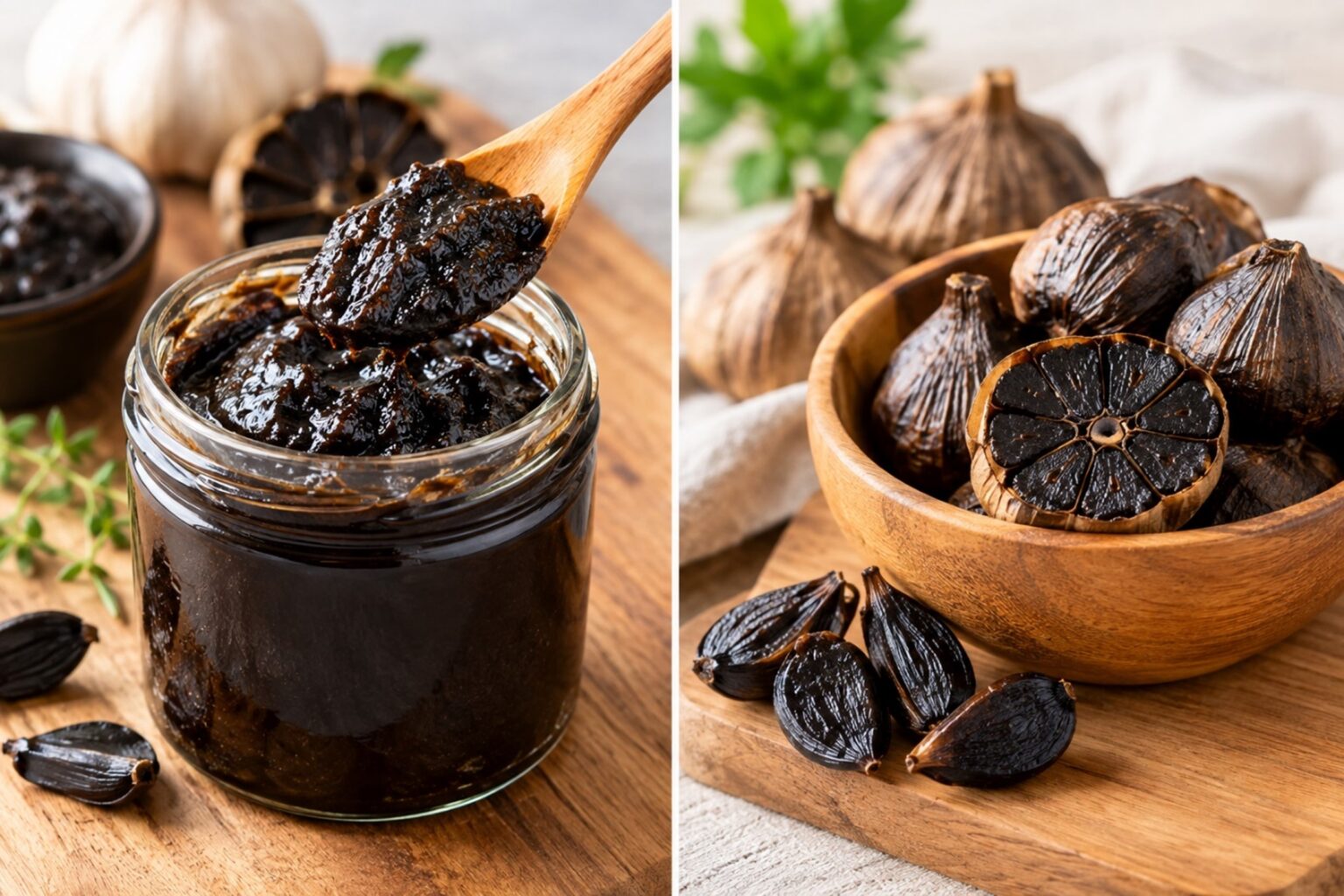
Black garlic has become a favourite ingredient for cooks who want deep flavour without the sharp bite of raw garlic. Made by slowly ageing garlic under controlled heat and humidity, it develops a soft texture, dark colour and a rich taste often described as sweet, savoury and slightly tangy.
When adding black garlic to your kitchen, one of the first decisions is whether to choose whole cloves or a ready-made paste. Both have their place, but they suit different cooking styles. Understanding how they differ can help you choose the format that makes the most sense for the meals you prepare regularly.
What Makes Black Garlic Different?
Fresh garlic is known for its strong aroma and sharp flavour. During the ageing process used to create black garlic, those characteristics change considerably. The cloves darken, soften and develop a flavour that can include notes of caramel, balsamic vinegar, molasses and umami.
This makes black garlic useful in both simple and more complex recipes. It can add depth without dominating a dish, which is why it works well in everything from sauces and dressings to pasta, roasted vegetables and marinades.
The main difference between paste and whole cloves is not necessarily the flavour itself, but how quickly and easily each one can be used.
The Convenience of Black Garlic Paste
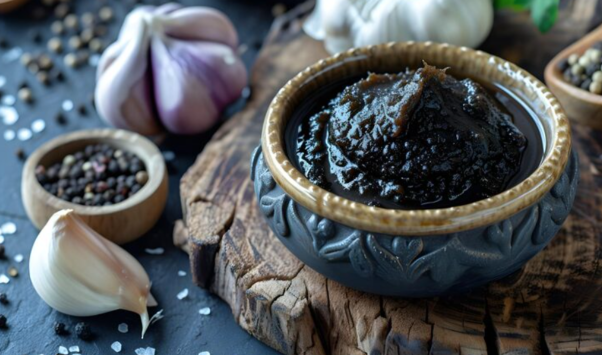
Paste is ideal for people who want to add black garlic quickly without peeling, chopping or mashing individual cloves. Its smooth texture means it can be mixed directly into sauces, soups, spreads and marinades.
For busy home cooks, this can save valuable preparation time. A spoonful can be stirred into a pan sauce or combined with butter, mayonnaise or yoghurt in seconds.
People looking to Buy Black Garlic Paste in Australia may find it especially practical if they plan to use black garlic regularly rather than only for occasional recipes.
Paste also makes portioning easier because it can be measured by the teaspoon or tablespoon depending on the intensity required.
When Whole Cloves Work Better
Whole black garlic cloves provide more flexibility in terms of texture. They can be sliced, chopped, mashed or left intact depending on the dish.
For example, slices can be used as a topping for toast or incorporated into salads. Mashed cloves can be spread directly onto bread or mixed into butter. Whole or roughly chopped pieces can also add small bursts of flavour to grain dishes and roasted vegetables.
Because the cloves remain visible, they are useful when presentation matters. A few pieces of black garlic on top of a finished dish can create both visual interest and flavour contrast.
Which Is Better for Sauces?
For sauces, black garlic paste usually has the advantage. Its smooth consistency allows it to dissolve more evenly into liquids and emulsions.
It can be mixed into pasta sauces, gravy, salad dressings or dipping sauces without leaving noticeable chunks. This makes it useful when the goal is to build flavour into the background of a dish.
Whole cloves can still be used in sauces, but they normally need to be mashed or blended first. This extra step is not difficult, though it does make preparation slightly slower.
What About Marinades and Rubs?
Paste works particularly well in marinades because it spreads evenly across meat, vegetables and plant-based proteins. It can be combined with olive oil, soy sauce, vinegar, herbs or spices to create a balanced mixture.
Whole cloves may also be used, especially if they are crushed first. However, larger pieces can sometimes stick unevenly to the food.
For recipes that involve coating ingredients before grilling, roasting or baking, paste is often the more convenient option.
Which One Is Better for Spreads?
Both options perform well in spreads, but they create slightly different experiences.
Black garlic paste can be stirred directly into cream cheese, hummus, butter or mayonnaise. The result is smooth and consistent, with flavour distributed throughout the mixture.
Whole cloves offer a more rustic texture when mashed by hand. This can be appealing for toast toppings, cheese boards and appetisers where a slightly uneven consistency feels more natural.
The choice depends largely on whether you prefer a polished or more homemade texture.
Storage and Everyday Use
Storage requirements can vary by product, so it is important to follow the packaging instructions. Some black garlic pastes may need refrigeration after opening, while whole bulbs or cloves may have different recommendations depending on how they are packaged.
From an everyday-use perspective, paste is often easier because there is no preparation involved. The container can simply be opened, the required amount measured and the rest stored.
Whole cloves involve slightly more handling, but they allow greater control over how the garlic is cut and presented.
Flavour Control
Whole cloves may offer slightly more control for recipes where you want individual pieces of black garlic to remain noticeable. You can add one small clove, half a clove or several pieces depending on the dish.
Paste is easier to distribute, which can also make flavour adjustment straightforward. Start with a small amount, mix it through and taste before adding more.
Black garlic has a complex flavour, so adding too much at once can overpower more delicate ingredients. Gradual seasoning usually gives better results.
Which Option Is Better for Beginners?
For someone using black garlic for the first time, paste may be the easier introduction. It can be treated much like other condiments or flavour pastes and added gradually to familiar recipes.
Whole cloves may appeal more to cooks who enjoy experimenting with different textures and presentation styles.
Neither option is inherently better. The right choice depends on how you prefer to cook and the kinds of dishes you make most often.
Keeping Both in the Kitchen
There is no reason you have to choose only one form of black garlic. Many enthusiastic cooks may find it useful to keep both.
Paste can handle everyday sauces, marinades and quick meals, while whole cloves can be reserved for dishes where appearance and texture matter more.
Having both available gives you flexibility without changing the fundamental flavour profile you enjoy.
Conclusion
Black garlic paste and whole cloves offer the same distinctive sweet and savoury character, but they fit different kitchen routines. Paste is particularly useful when convenience, even distribution and fast preparation matter, while whole cloves provide greater control over texture and presentation.
If you frequently prepare sauces, marinades, spreads or quick weeknight meals, paste may become the more practical choice. If you enjoy experimenting with plating, toppings and different textures, whole cloves may deserve a place alongside it. In many kitchens, the most useful answer is not choosing one over the other, but knowing when each format works best.